

News
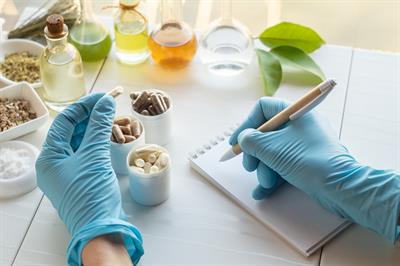

Exploring Natural Supplements to Help Ease Hay Fever Symptoms
Hay fever, also known as allergic rhinitis, can turn what should be pleasant summer days into miserable experiences. With a constant runny nose, itchy eyes, and relentless sneezing, those affected often seek relief through various means. While over-the-counter medications are a go-to solution for many, an increasing number of people are turning to natural supplements as a way to alleviate their symptoms without the side effects often associated with pharmaceuticals. In this article, we explore some of the most promising natural supplements that might help ease the discomfort of hay fever. 1. Quercetin Quercetin is a flavonoid naturally found in many fruits and vegetables, such as onions, apples, and berries. This supplement is well-regarded for its anti-inflammatory and antioxidant properties. Studies suggest that quercetin can help stabilise mast cells, which reduces the release of histamine - the chemical that triggers allergy symptoms. Incorporating quercetin into your daily regime before allergy season can potentially help in managing the severity of hay fever symptoms. 2. Bromelain Bromelain is an enzyme found in pineapple juice and in the pineapple stem. It's often used to treat swelling and inflammation, particularly of the sinuses after surgery or injury. For those with hay fever, bromelain can help improve breathing by reducing nasal swelling and thinning mucus. When combined with quercetin, the effectiveness of both supplements may be enhanced, providing better relief from nasal congestion and other irritating symptoms. 3. Stinging Nettle Stinging nettle has been used as a herbal remedy for centuries, traditionally utilized to treat joint pain and help rid the body of excess water. For allergy sufferers, stinging nettle may be beneficial due to its ability to act as a natural antihistamine. By blocking the body’s ability to produce histamine, it can help ease the symptoms of hay fever. It is usually taken in capsule or tea form and is most effective when consumed regularly before the onset of the allergy season. 4. Probiotics Probiotics are live bacteria and yeasts that are beneficial for your digestive system. Emerging research suggests that they may also play a role in supporting the immune system and potentially reducing allergic reactions. By enhancing gut health, probiotics may help regulate the body’s immune response to allergens, potentially reducing the intensity of hay fever symptoms. 5. Local Honey Consuming local honey is often suggested as a natural remedy for hay fever because it contains pollen from local plants, which might help your body adapt to and decrease its sensitivity to the local pollen. The theory is akin to a natural form of immunotherapy. While scientific evidence supporting this is limited, some people report a reduction in their symptoms after incorporating local honey into their diet. Conclusion When considering natural supplements for hay fever, it’s important to consult with a healthcare provider, especially if you’re pregnant, nursing, or on medication that might interact with herbal remedies. Natural doesn't always mean safe for everyone; however, for many, these supplements can provide a much-needed respite from the discomfort of hay fever without the reliance on traditional medications.As with any health condition, the key to managing hay fever effectively is understanding your triggers, taking preventative measures before the season starts, and finding a treatment plan that works best for you. Whether through natural supplements, lifestyle adjustments, or traditional medications, relief from hay fever is achievable. View ProductView Product
Learn more
The Role of Vitamin Supplements in Supporting Mental Health
In recent years, mental health has become a hot topic across the globe, and the UK is no exception. Amid the discussions around therapy, lifestyle changes, and medication, another area for investigation often comes up: the role of vitamin supplements in supporting mental health. With a growing body of research and an increasing interest in holistic approaches, vitamins are being seen not just as nutrients for physical health but also as essential components for mental well-being. Understanding the Connection The human brain is a complex organ, and like the rest of the body, it requires certain nutrients to function properly. Vitamins and minerals can influence the brain's chemistry and are essential in the processes that affect our mood, cognitive function, and overall mental health. Deficiencies in specific vitamins can lead to mental health issues or exacerbate existing conditions. Key Vitamins and Their Impact on Mental Health Vitamin D Often called the "sunshine vitamin," Vitamin D is critical for brain health. Research has linked Vitamin D deficiency to a higher risk of depression and other psychiatric disorders. In the UK, where sunlight is scarce during the long winter months, maintaining adequate Vitamin D levels can be challenging but is crucial. B Vitamins The B-group vitamins, particularly B12, B6, and folate (B9), play significant roles in mental health. They help in the production of neurotransmitters such as serotonin and dopamine, which regulate mood. Studies have shown that deficiencies in these vitamins can lead to increased feelings of depression and anxiety. Omega-3 Fatty Acids While technically not a vitamin, omega-3 fatty acids are essential nutrients that affect brain health. They are crucial for building brain cells and promoting neural connections. Evidence suggests that omega-3 supplements can help combat depression and mood swings. Scientific Insights from the UK In the UK, several studies have aimed to assess the effectiveness of vitamin supplements in treating mental health disorders. The University of Sheffield conducted a study showing that Vitamin D supplements improved the mood of participants suffering from depression, especially those who had a noted deficiency.Another UK study, published in the Journal of Psychopharmacology, found that supplementation with a multivitamin containing high doses of B vitamins significantly reduced stress and improved mood in young adults. The Broader Picture While supplements can play a role in improving mental health, experts caution that they are not a standalone solution. A balanced diet, regular exercise, and adequate sleep are also crucial. Moreover, it is essential to consult with healthcare providers before starting any supplement regime, especially for those who are already taking other medications. Policy and Healthcare in the UK The UK's approach to mental health is gradually embracing a more holistic view, recognising the role of nutrition in mental wellness. The National Health Service (NHS) and mental health charities are increasingly providing resources and guidance on how to manage mental health, including the use of dietary supplements. Conclusion The connection between vitamin supplements and mental health is a field ripe with potential and already showing promising results in the UK. As we continue to explore this connection, it is important to approach supplements with careful consideration and professional guidance. For many, they could be a valuable part of a comprehensive mental health strategy. As research continues to evolve, so too will our understanding of just how much these nutrients can contribute to our mental well-being. View ProductView Product
Learn more
How Vitamin Supplements Can Support the Elderly in the UK
As we age, our bodies undergo various changes that can affect how we process and absorb nutrients. For the elderly, maintaining a balanced diet rich in vitamins and minerals becomes increasingly challenging. Factors such as reduced appetite, changes in taste and smell, and issues with dental health can all contribute to less than optimal nutritional intake. In the UK, where a significant portion of the population is over the age of 65, addressing these nutritional deficiencies through vitamin supplements is becoming an ever more important discussion. The Nutritional Challenges Faced by the Elderly The elderly are particularly vulnerable to malnutrition, which can exacerbate the onset of chronic diseases and impact overall health and mobility. Key nutrients often deficient in the elderly include Vitamin D, Vitamin B12, calcium, and iron. These deficiencies can lead to serious health issues such as osteoporosis, impaired cognitive function, and anaemia. Vitamin D: The Sunshine Vitamin In the UK, with its often limited sunlight, Vitamin D deficiency is a widespread concern, particularly for the elderly who may spend a lot of time indoors. Vitamin D is crucial for bone health because it helps the body use calcium. The NHS recommends Vitamin D supplementation of at least 400iu daily, especially during the autumn and winter months when sunlight is scarce. Vitamin B12: Essential for Nerve Function Vitamin B12 is vital for maintaining healthy nerve cells and producing DNA. This vitamin is naturally found in significant amounts only in animal products, which can be a problem for elderly individuals who struggle with eating meat due to chewing difficulties or digestive issues. A deficiency in Vitamin B12 can lead to severe fatigue, memory problems, and mood changes. Calcium and Iron: Building Blocks for Health Calcium is essential for maintaining strong bones and teeth. Dairy products are a primary source, but with a higher incidence of lactose intolerance in the elderly it can mean intake is reduced or eliminated entirely from the individual's diet because of this or due to other health issues. Similarly, iron is critical for creating red blood cells and preventing anaemia. Iron absorption decreases with age, and a lack of iron can lead to increased tiredness and decreased immune function. The Role of Supplements in Elderly Care Given these challenges, vitamin supplements can play a pivotal role in bridging the nutritional gap. Supplements can ensure that the elderly receive the necessary vitamins and minerals in adequate amounts, potentially improving their quality of life and reducing the risk of chronic diseases. However, it's crucial that any supplementation regime is done under the guidance of a healthcare professional to avoid the risks associated with overdosing or interactions with other medications. Educational Initiatives There is also a need for increased awareness and education about the importance of nutrition in aging. Campaigns and initiatives that provide information on how the elderly can maintain a balanced diet, understand the role of supplements, and recognise the signs of nutritional deficiencies can be incredibly beneficial.For many elderly individuals in the UK, vitamin supplements offer a practical solution to counteract dietary insufficiencies and enhance their nutritional status. While these supplements are not a cure-all, they can significantly contribute to the health and well-being of the aging population when used correctly and under appropriate medical guidance. By understanding and addressing the unique nutritional needs of the elderly, we can help ensure that they lead healthier and more active lives. View ProductView ProductView ProductView Product
Learn more
The Rise of Veganism in the UK: A Look at Essential Vitamin Supplements for Plant-Based Diets
The last few years have seen a remarkable surge in veganism across the UK, driven by factors ranging from environmental concerns and animal welfare to health considerations. This shift towards plant-based eating has not only changed supermarket shelves and restaurant menus but also sparked a conversation about nutritional balance, particularly regarding essential vitamins and minerals. The Growing Green Wave The rise of veganism in the UK can be attributed to a growing awareness of its potential benefits. These include reducing carbon footprints, since plant-based diets typically require fewer resources than meat production, and promoting health. However, as more individuals embrace this lifestyle, the focus on ensuring a balanced and nutrient-rich diet has become of key importance. This is where the role of vitamin supplements comes into play. Navigating Nutritional Needs While a well-planned vegan diet can provide most nutrients, there are certain vitamins and minerals that may be challenging to obtain in adequate amounts purely from plant-based sources. Here are the essential vitamins and supplements that vegans, and those considering vegan diets, should be aware of: Vitamin B12 Vitamin B12 is crucial for nerve function, red blood cell formation, and DNA synthesis. However, it's primarily found in animal products. Vegans can look to fortified foods, such as plant-based milks, cereals, and nutritional yeast, or consider B12 supplements to meet their needs. Vitamin D Vitamin D is essential for bone health, immune function, and mood regulation. While our bodies can produce it when exposed to sunlight, factors like limited sun exposure (especially in the UK's less sunny climate!) make supplementation necessary for some individuals. Vitamin D2 is always vegan, and there are vegan sources of vitamin D3 from lichen. Omega-3 Fatty Acids Omega-3s, particularly EPA and DHA, are important for brain and heart health. While flaxseeds, chia seeds, and walnuts provide ALA (a type of omega-3), this needs to be converted to DHA and EPA within the body to be beneficial. There are vegan DHA and EPA supplements available which are sourced from algae, and may be better for those who cannot efficiently convert ALA to EPA and DHA. Iron Iron is vital for transporting oxygen in the blood. Plant-based sources include lentils, beans, tofu, and spinach, but the non-heme iron found in plants is less easily absorbed than the heme iron in animal products. Consuming vitamin C-rich foods alongside iron-rich foods can enhance absorption, and supplementation may be advisable for some. Calcium Calcium is key for bone health. Fortified plant milks, tofu, and leafy greens provide vegan sources, but for those who are not getting enough from their diet should consider calcium supplements. Iodine Iodine is crucial for thyroid function, and deficiency can lead to hypothyroidism. Seaweeds are a good plant-based source, but because of the variability in iodine content, some may choose to use iodine supplements. Making the Switch Safely Transitioning to a vegan diet or ensuring your existing plant-based diet meets all your nutritional needs doesn't have to be daunting. Consulting with a healthcare provider or a dietitian can provide personalised advice, ensuring your diet is balanced and supports your health goals. With the right planning and supplementation where needed, veganism can be a nutritionally complete and rewarding lifestyle. Embracing the Future The rise of veganism in the UK reflects a broader global trend towards more sustainable and ethical eating practices. As this movement grows, so does the availability of resources and products to support healthy, plant-based living. By focusing on essential nutrients and supplementation where necessary, vegans can thrive while contributing to a more sustainable world. View ProductView ProductView ProductView ProductView Product
Learn more
Suffer from Reynauds? These supplements may be able to help
Raynaud's phenomenon, often simply called Raynaud's, is a condition that affects blood flow to certain parts of the body, usually the fingers and toes. It can lead to these areas feeling numb and cold in response to cold temperatures or stress. For those living with Raynaud's, finding ways to manage symptoms is a key part of everyday life. Alongside lifestyle changes and medical treatments, certain supplements may offer additional relief. In this article, we’ll explore some of the supplements that may help manage Raynaud's symptoms. Magnesium Magnesium is a mineral that plays a crucial role in blood circulation and blood vessel health. Some studies suggest that magnesium supplements can improve blood flow and relax the blood vessels, which may help reduce the severity of Raynaud's symptoms. A magnesium-rich diet or supplementation can potentially offer some relief to sufferers, especially during colder months. Fish Oil (Omega-3 Fatty Acids) Fish oil is rich in omega-3 fatty acids, known for their anti-inflammatory properties and ability to improve cardiovascular health. By reducing inflammation and improving blood flow, fish oil supplements may help alleviate symptoms of Raynaud's. It is thought that omega-3's can also help make the blood less sticky, potentially improving circulation to extremities. Ginkgo Biloba Ginkgo biloba is an herbal supplement derived from the leaves of the Ginkgo tree and is often touted for its circulation-boosting effects. Some research suggests that Ginkgo biloba can expand blood vessels and improve blood flow, which might be beneficial for those with Raynaud's. However, more research is needed to fully understand its effectiveness. Vitamin B-3 (Niacin) Niacin, also known as Vitamin B-3, is known to have a vasodilating effect, meaning it can widen blood vessels. This property may be helpful for individuals with Raynaud's, as improved blood flow can potentially reduce the frequency and severity of attacks. Be cautious with dosage, however, as high levels of niacin can have side effects. L-arginine L-arginine is an amino acid that serves as a building block for making protein in the body. It also helps make nitric oxide, which relaxes blood vessels and improves circulation. Some studies suggest that L-arginine supplementation can help manage Raynaud's symptoms by improving blood flow, but further research is necessary to confirm these findings. Living with Raynaud's can be challenging, but incorporating certain supplements into your routine may help manage symptoms alongside traditional treatments. It's important to remember that supplements can interact with medications and may not be suitable for everyone. Before adding any new supplement to your regimen, it's advisable to consult with a healthcare provider to ensure it's safe for you. Together with medical advice, a balanced diet, and proper self-care, supplements may provide additional support in managing Raynaud's phenomenon. View ProductView ProductView ProductView Product
Learn more
Garlic's Role in Cardiovascular Health
Garlic, a staple in kitchens worldwide, has long been celebrated for its culinary versatility and pungent flavor. But beyond its role in the kitchen, garlic has a rich history of being used in traditional medicine for various ailments. In recent years, scientific research has shed light on garlic’s potential health benefits, particularly in the realm of cardiovascular health. Here, we take a closer look at how garlic supplements may support heart health, reduce the risk of cardiovascular disease, and improve overall well-being. The Active Ingredient: Allicin Garlic owes much of its medicinal properties to a sulfur compound called allicin. When garlic is crushed or chopped, the enzyme alliinase converts alliin, a compound naturally present in garlic, into allicin. Allicin is responsible for garlic’s characteristic smell and its numerous health benefits. In supplements, garlic is often processed to retain high levels of allicin or its precursors. These supplements are typically available in various forms, including powders, oils, and aged garlic extracts. Research shows that these garlic supplements can play a significant role in improving cardiovascular health by influencing several risk factors. Blood pressure regulation One of the most compelling pieces of evidence supporting garlic’s cardiovascular benefits is its ability to lower blood pressure. High blood pressure (hypertension) is a leading cause of heart disease, stroke, and heart attacks. Studies have found that garlic supplements can have a blood-pressure-lowering effect, similar to certain pharmaceutical drugs, but without the potential side effects. A meta-analysis of 12 trials found that garlic supplementation reduced systolic blood pressure by an average of 4-8 mmHg in people with hypertension. The mechanism behind this is thought to involve garlic’s ability to stimulate the production of nitric oxide, which helps relax and widen blood vessels, improving blood flow and reducing the pressure exerted on artery walls. Cholesterol reduction Cholesterol, specifically low-density lipoprotein (LDL), often dubbed "bad cholesterol," is another critical risk factor for cardiovascular disease. Elevated LDL levels can lead to the build-up of plaque in the arteries, restricting blood flow and increasing the risk of heart attacks and strokes. Garlic supplements have been shown to modestly reduce LDL cholesterol levels in some studies. One review of 39 studies concluded that garlic could lower total cholesterol by about 10%, with the most significant effects seen in people with elevated cholesterol levels. While garlic may not be a substitute for cholesterol-lowering medications, it can be a helpful adjunct to a heart-healthy diet and lifestyle. Anti-inflammatory effects Chronic inflammation is a key contributor to cardiovascular disease. Garlic possesses potent anti-inflammatory properties that can help reduce systemic inflammation, which is linked to arterial damage and the progression of atherosclerosis (the hardening and narrowing of the arteries). By lowering inflammation, garlic may contribute to improved arterial health and reduce the risk of plaque buildup. This is particularly important for preventing the progression of cardiovascular disease in individuals at risk. Antioxidant protection Garlic is also rich in antioxidants, which help neutralise harmful free radicals in the body. Oxidative stress, caused by an imbalance between free radicals and antioxidants, can damage cells, including those in the cardiovascular system. Over time, oxidative stress contributes to the development of heart disease. Garlic’s antioxidants, including compounds such as S-allyl cysteine and selenium, help protect the heart and blood vessels from oxidative damage. Aged garlic extract, in particular, has been shown to increase the body’s antioxidant enzyme levels, providing extra protection against heart disease. Improving blood circulation Poor circulation can increase the risk of cardiovascular events, especially in individuals with a history of heart disease or those predisposed to vascular issues. Garlic has been found to improve circulation by enhancing the production of hydrogen sulfide, which promotes the dilation of blood vessels. This, in turn, can improve blood flow and reduce strain on the heart. Studies have also shown that garlic may prevent platelet aggregation, the clumping together of blood cells that can lead to clot formation. By reducing clotting, garlic lowers the risk of thrombosis, a condition that can lead to heart attacks and strokes. Balancing blood sugar levels Cardiovascular disease is often linked to diabetes or poor blood sugar control. Garlic has been studied for its ability to lower fasting blood sugar levels in people with diabetes or prediabetes, potentially reducing the risk of cardiovascular complications. By helping to regulate blood sugar, garlic may further protect the heart in individuals who are at risk of metabolic disorders. How to incorporate garlic into your cardiovascular health plan If you're considering adding garlic supplements to your routine, it’s essential to choose a high-quality product. Look for supplements that contain stabilised allicin or aged garlic extract, which have been studied for their heart health benefits. Additionally, garlic can interact with certain medications, such as blood thinners, so it’s always a good idea to consult with a healthcare provider before starting a garlic supplement regime. Final thoughts Garlic is far more than a flavorful addition to your favorite dishes. The evidence suggests that garlic supplements may offer several cardiovascular benefits, from lowering blood pressure and cholesterol to reducing inflammation and oxidative stress. While more research is needed to fully understand garlic’s role in cardiovascular health, it’s clear that incorporating garlic, whether in supplement form or through your diet, can be a heart-healthy choice. By taking a proactive approach to heart health, including incorporating garlic into your routine, you can support your cardiovascular system and reduce the risk of heart disease over time. View Product View ProductView Product
Learn more
Should I supplement with Vitamin D over the winter?
As the leaves begin to change colour and the nights draw in, we all brace ourselves for the chilly grip of winter. Alongside the seasonal changes, there is another pressing matter that should be on everyone's mind, especially during the darker winter months - Vitamin D. In the UK, with its distinct lack of sunshine during this time of year, the question arises: should we be supplementing with Vitamin D? Let's look into the importance of this nutrient and why it might be crucial for those living in regions with prolonged winter gloom. What is Vitamin D and why is it important? Vitamin D, often termed the ‘sunshine vitamin’, plays a pivotal role in our overall health. Its main function is to aid in the absorption of calcium and phosphate from our diet, which are vital for the maintenance of healthy bones and teeth. But its role doesn't stop there. Vitamin D also supports the immune system, muscle function and the nervous system. It plays a role in regulating insulin levels, as well as supporting lung function and cardiovascular health. Why is Vitamin D supplementation needed during winter? The primary source of Vitamin D is through direct sunlight on our skin. When exposed to UVB rays, our skin produces Vitamin D. However, in the UK, from October to early March, the sunlight doesn't contain enough UVB radiation for our skin to produce the vitamin in sufficient amounts. Thus, even if you're out and about during the winter months, you're unlikely to get enough Vitamin D from sunlight alone. Consequences of Vitamin D deficiency Consistent lack of Vitamin D can have various long-term repercussions: Bone and muscle pain: Since Vitamin D plays a central role in calcium absorption, deficiency can result in aches and weakness. Bone abnormalities: Conditions such as osteomalacia (softening of the bones) in adults and rickets in children are directly linked to Vitamin D deficiency. Reduced immunity: A lack of Vitamin D can compromise the immune system, making one more susceptible to infections. May increase risk of chronic diseases: There is a growing body of evidence linking Vitamin D deficiency to a higher risk of chronic diseases, including coronary artery disease, and potentially certain types of cancer. Mood disorders and fatigue: Vitamin D has been associated with mood regulation, and a deficiency can result in symptoms of depression and persistent fatigue. So, should you supplement? Given the vital role of Vitamin D and the challenges of obtaining enough during the UK winter, supplementation seems a logical choice for many. The NHS recommends that adults and children over the age of one should consider taking a daily supplement containing 10 micrograms (400IU) of Vitamin D, especially during the winter months. However, as with all supplements, it's essential to consult with a healthcare professional, especially if you have underlying health conditions or are taking other medications. In conclusion While the UK winter might deprive us of the much-needed sunshine, it shouldn't deprive us of our Vitamin D. Through informed choices and possible supplementation, we can ensure our bodies remain nourished and protected during the darker and colder months. Remember, our health is holistic, and a little sunshine - even in a tablet - can go a long way! View ProductView ProductView Product
Learn more
Can Saw Palmetto help with prostate problems?
Prostate health has been a concern for many men as they age. One natural remedy that has garnered attention over the years for its potential benefits to prostate health is Saw Palmetto. As part of a wider approach to men’s health supplements, Saw Palmetto is often considered by men looking for targeted nutritional support. But how effective is this natural remedy? And what is its history as a therapeutic agent? This article will delve into the world of Saw Palmetto, shedding light on its efficacy in addressing prostate problems. A Glimpse into the World of Saw Palmetto Before diving into its potential health benefits, it's crucial to understand the origins of Saw Palmetto as a natural remedy. Saw Palmetto, scientifically known as Serenoa repens, is a small palm native to the southeastern United States. Native American tribes, particularly the Seminoles, have utilized Saw Palmetto berries for centuries, not only as a food source but also for its therapeutic properties. Traditionally, it was believed to have a range of health benefits, from treating urinary tract infections to boosting libido. Saw Palmetto and Prostate Health The prostate gland tends to enlarge as men get older, leading to a condition known as benign prostatic hyperplasia (BPH). Symptoms of BPH include: Frequent urination, especially at night. Difficulty starting and maintaining a steady stream of urine. A feeling of not emptying the bladder completely. These symptoms can significantly impact a man's quality of life. Fortunately, there's growing evidence suggesting Saw Palmetto might help alleviate some of these issues. Research on Saw Palmetto's efficacy has yielded mixed results. Some studies have shown that it can help reduce the symptoms of BPH, while others have found no significant benefits. However, a common thread among these studies is that Saw Palmetto is well-tolerated, with side effects being rare and mild. It's believed that Saw Palmetto works by inhibiting the enzyme 5-alpha reductase, which converts testosterone into dihydrotestosterone (DHT). High levels of DHT have been linked to prostate enlargement, so by reducing its production, Saw Palmetto may help alleviate BPH symptoms. Other Potential Benefits Apart from its potential benefits for prostate health, Saw Palmetto has been studied for various other health issues. Some of these include: Hair loss: By reducing DHT levels, Saw Palmetto might also help prevent male pattern baldness, a condition linked to elevated DHT. Inflammation: Some studies have shown that Saw Palmetto can reduce inflammation, which can be beneficial for a range of health issues. Hormone balance: It might also help balance hormone levels in both men and women, although more research is needed in this area. Conclusion Saw Palmetto has a rich history as a natural remedy, and while modern science is still working to understand its full range of benefits, there's promising evidence to suggest it can help with prostate problems. However, as with any supplement, it's essential to consult with a healthcare professional before starting any new regimen. It's also crucial to purchase from a reputable source, ensuring the product's purity and potency. View Product
Learn more
The Benefits of a Garlic Supplement for Cardiovascular Health
Why Might You Consider Taking a Garlic Supplement? Garlic (Allium sativum) has been utilised for thousands of years, not only as a flavourful ingredient in culinary dishes but also as a powerful natural remedy. Many ancient civilizations, including the Egyptians, Greeks, Romans, and Chinese, have harnessed its health benefits. Fast forward to modern times, scientific research has uncovered the multitude of advantages this wonder bulb offers. This brings us to an important question: beyond adding it to food, should you consider taking a garlic supplement? Health Benefits of Garlic: Boosts Immune Function: Garlic contains compounds, like allicin, which have antimicrobial and antifungal properties. Studies have shown that regular consumption of garlic can help reduce the frequency of colds and improve recovery times. Cardiovascular health: Garlic is known for its heart-friendly properties. It can help lower cholesterol levels, reduce blood pressure, and inhibit platelet aggregation. The antioxidants in garlic can also prevent the oxidation of LDL cholesterol, reducing the risk of atherosclerosis. Detoxification: Garlic contains sulphur compounds that can aid the liver in processing and eliminating toxins from the body. Blood sugar regulation: Some preliminary studies have indicated that garlic might play a role in increasing insulin secretion and reducing insulin resistance, helping to stabilise blood sugar levels. Bone health: Garlic has been linked with reduced bone loss by increasing oestrogen levels in females, which can be particularly beneficial during post-menopausal stages. Antioxidant power: Garlic possesses potent antioxidant properties, which combat oxidative stress, slowing down cellular aging, and reducing the risk of chronic diseases. Why Opt for a Garlic Supplement? While for some adding garlic into their daily meals is a delightful way to enjoy its health benefits, some might find it challenging due to personal taste preferences, the persistence of its odour, or digestive sensitivities. Here are reasons you might consider a garlic supplement: Consistency: A supplement offers a consistent dose, ensuring that you get a steady intake of garlic's beneficial compounds. No garlic breath: One common concern with consuming garlic is the lingering smell. Garlic supplements, especially the odorless variants, allow you to enjoy the health benefits without the telltale breath. Potency: Some garlic supplements are designed to deliver a concentrated dose of the active compounds, potentially offering more significant benefits than consuming raw or cooked garlic. Digestive comfort: Raw garlic can sometimes cause stomach upset for sensitive individuals. Supplements can be formulated to minimize this concern. Convenience: For those with a busy lifestyle, popping a pill can be much more convenient than finding ways to incorporate garlic into daily meals. In conclusion Garlic boasts a treasure trove of health benefits. Whether you choose to consume it as a tasty ingredient in your dishes or as a supplement, it's a valuable addition to a holistic health regimen. Always remember to consult with a healthcare professional before starting any new supplement to ensure it's the right choice for you. View Product View ProductView Product
Learn more